1. Ignoring the Wear Layer Quality
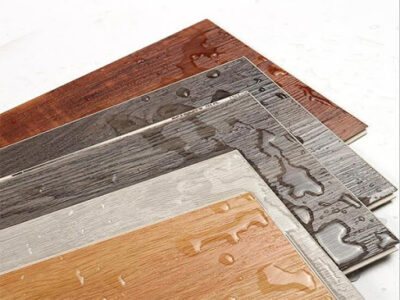
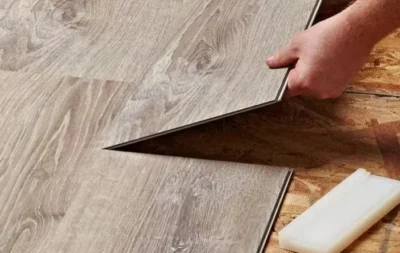
One of the biggest mistakes when buying SPC flooring is underestimating the importance of the wear layer — the transparent top coating that protects your floor from scratches, stains, and fading.
A thin or poor-quality wear layer may look fine initially, but it quickly loses its shine and durability.
For commercial or heavy-use projects, a 0.5mm or 0.55mm wear layer is the industry standard.
Check out our guide:
Understanding Wear Layer in SPC Flooring and Why It Matters
According to the World Floor Covering Association (WFCA), wear layer thickness directly impacts abrasion resistance and product lifespan — so always verify your supplier’s specifications before placing orders.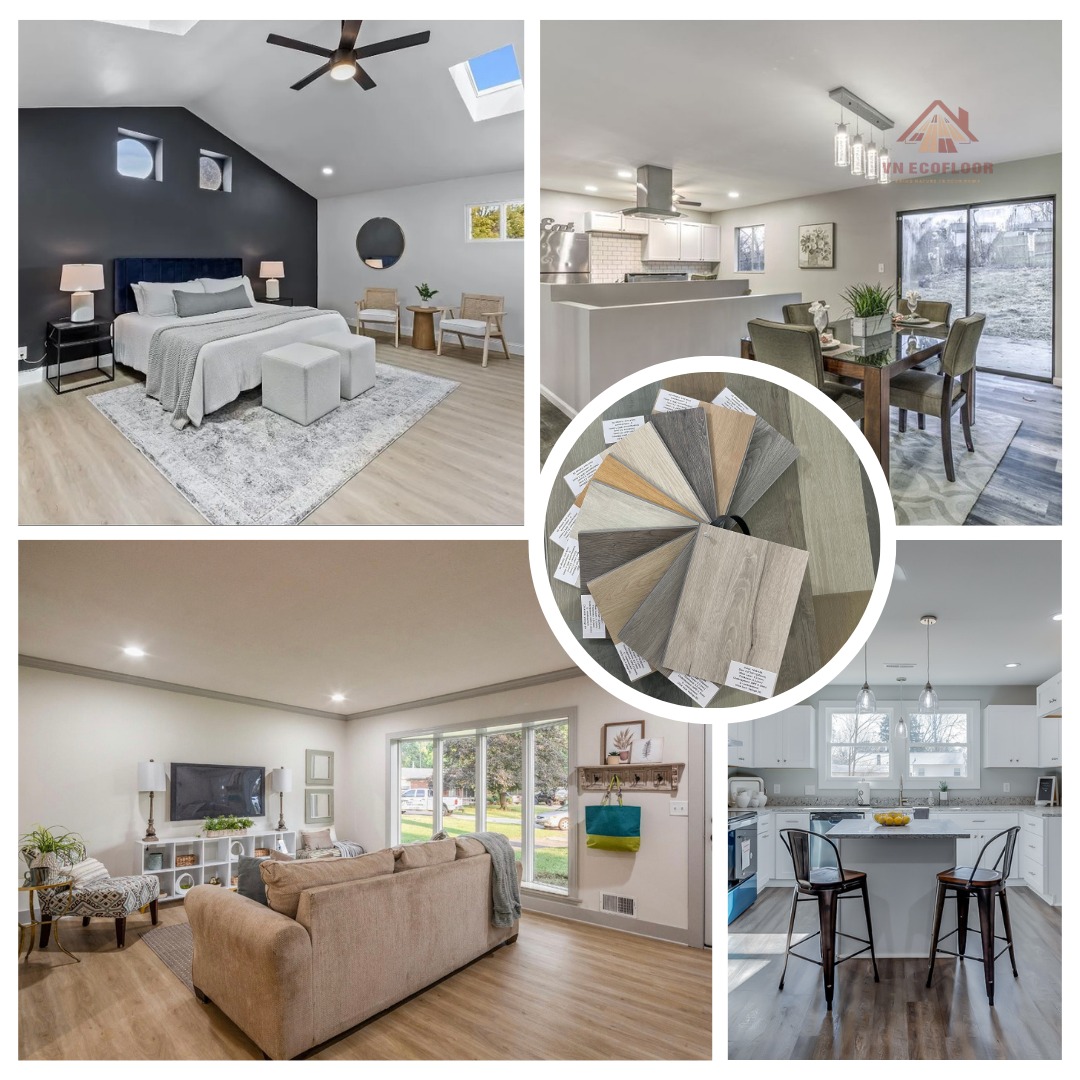
2. Not Verifying Click System Compatibility
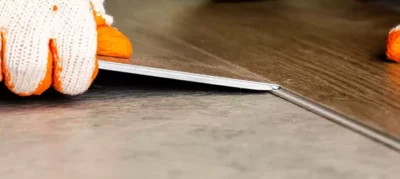
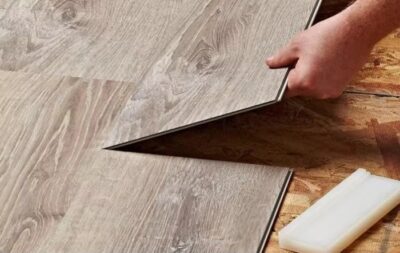
Another common error importers make when buying SPC flooring is neglecting to confirm the click-lock system compatibility.
Each factory may use different click technologies such as Unilin, Valinge, or proprietary systems. If you mix products from multiple suppliers without checking, your installers may face serious fitting issues on site.
✅ Pro Tip: Request a click-system sample board or video demonstration before production.
A small verification step can save you costly rework and customer complaints later.
3. Overlooking Dimensional Stability Tests
Dimensional stability ensures your SPC flooring won’t expand, warp, or shrink under temperature or humidity changes.
Unfortunately, many importers skip this step — assuming “SPC is SPC.” However, real-world performance varies greatly between factories.
Before buying, ask for these test reports:
-
ISO 23999 / EN 434 for dimensional stability
-
ISO 24343-1 for indentation resistance
-
Taber abrasion test for wear resistance
Reputable factories in Vietnam and South Korea regularly conduct these tests, ensuring consistency and reliability.
Learn more about quality sourcing in our article:
How to Source SPC Flooring from Vietnam
4. Focusing Only on Price, Not Total Value
Low price doesn’t always mean high profit. Many importers focus solely on FOB cost, overlooking the total value that includes:
-
Packaging quality and pallet stability
-
Color consistency and film sourcing
-
UV coating protection and gloss level
-
After-sales communication and warranty
According to Floor Covering News, importers who build long-term partnerships with reliable SPC manufacturers achieve better quality consistency and fewer claims, even with slightly higher unit costs.
When buying SPC flooring, think long-term: durable products reduce complaints and increase your brand’s reputation.
5. Ignoring Post-Shipment Quality Control
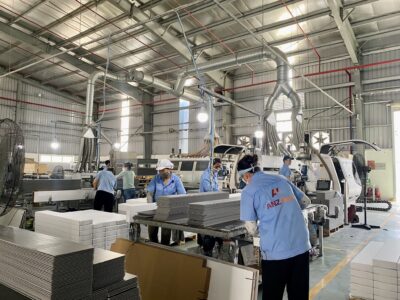
Even top factories can have small variations from batch to batch. Smart importers always conduct QC inspections before shipment — especially for the first order.
QC should check:
-
Total plank dimensions (length, width, thickness)
-
Wear layer accuracy
-
Color tone between cartons
-
Click system smoothness
You can hire third-party inspection agencies like SGS or Intertek to verify goods before loading. It’s a small investment that prevents big losses later.
Bonus Tip: Communicate Clearly With Your Supplier
Miscommunication causes many avoidable problems — from color mismatches to wrong pallet markings. Always:
-
Confirm all specifications in the Proforma Invoice (PI)
-
Use visuals (color samples, mockups)
-
Keep written confirmation through email
Clear communication builds trust and ensures every shipment meets expectations.
Final Thoughts
Avoiding these 5 costly mistakes when buying SPC flooring can save you thousands of dollars and protect your brand’s reputation.
Vietnam, Korea, and other top manufacturing hubs offer excellent SPC products — but success depends on your supplier management, QC process, and understanding of product specs.
If you’re looking for a reliable SPC flooring supplier in Vietnam, ANZ Floor provides high-quality SPC and LVP flooring with strict QC and fast lead times.
Explore more insights at
Why Vietnam Is Becoming a Global SPC Flooring Hub