When choosing modern flooring solutions, one term you will often come across is SPC flooring. Known for its durability, stability, and stylish designs, SPC has quickly become one of the most popular options for both residential and commercial spaces. But what exactly is SPC flooring, and why is it gaining so much attention worldwide? This article will give you a clear overview of SPC flooring, its structure, benefits, and applications.
What Does SPC Stand For?
SPC stands for Stone Plastic Composite or sometimes Stone Polymer Composite. It is a type of rigid core vinyl flooring that combines limestone powder and stabilizers with polyvinyl chloride (PVC). This composition makes SPC flooring extremely durable, dimensionally stable, and resistant to common problems like water damage and wear.
Unlike traditional vinyl flooring, SPC has a rigid core layer that provides additional strength. This makes it an excellent choice for high-traffic areas and spaces that are exposed to moisture, such as kitchens, bathrooms, and basements.
Structure of SPC Flooring
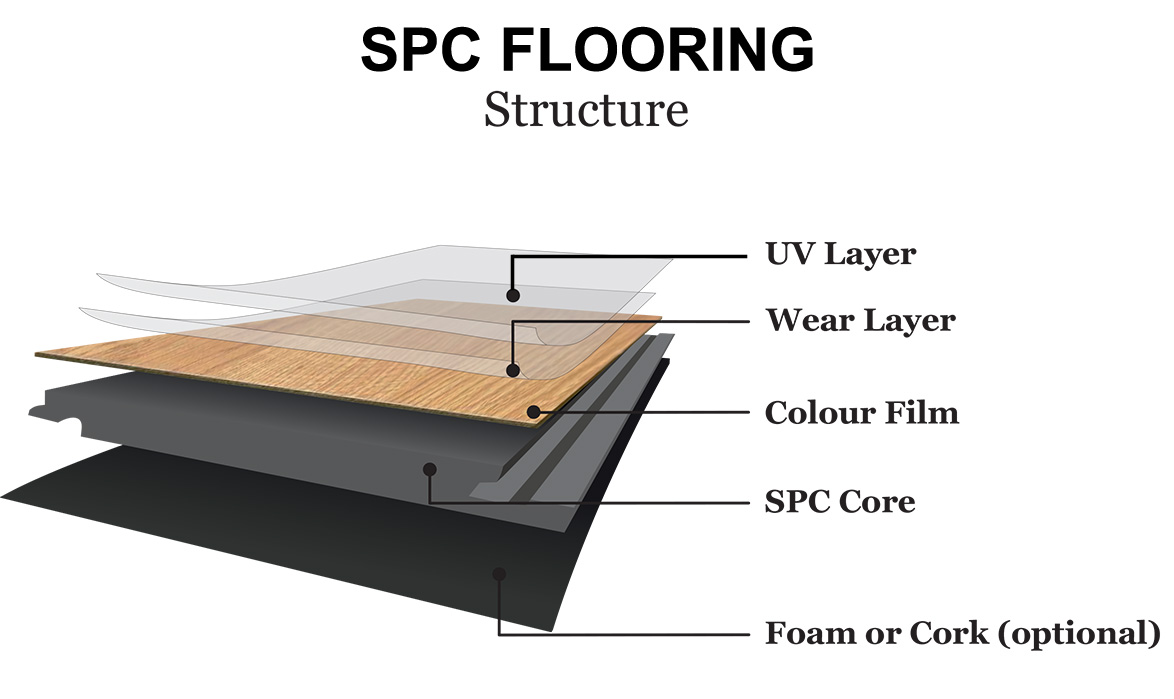
SPC flooring is engineered with multiple layers, each serving a unique purpose:
-
UV Coating Layer – Protects against stains, scratches, and fading from sunlight.
-
Wear Layer – Provides resistance to everyday wear and tear.
-
Decorative Film Layer – Offers realistic wood, stone, or tile designs.
-
SPC Core Layer – Made of limestone and PVC, ensuring stability and strength.
-
Backing Layer (IXPE or EVA Foam) – Improves sound absorption and comfort underfoot.
This layered structure not only enhances performance but also gives SPC flooring its elegant appearance.
Key Benefits of SPC Flooring
-
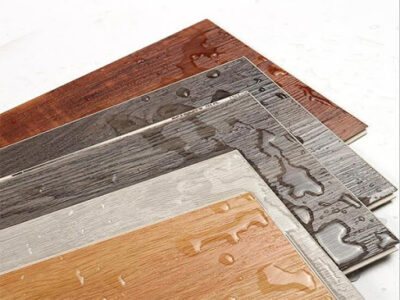
100% Waterproof – Unlike hardwood or laminate, SPC flooring does not swell or warp when exposed to water.
-
High Durability – Its rigid core makes it resistant to dents, scratches, and impacts.
-
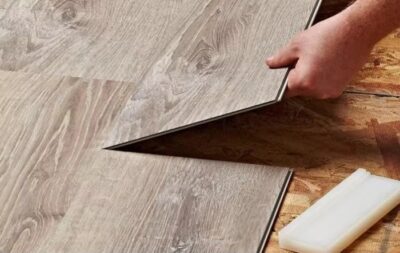
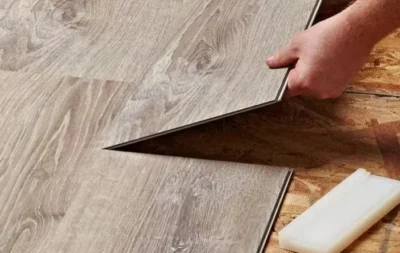
Easy Installation – Most SPC products use a click-lock system, allowing quick installation without glue or nails.
-
Comfortable and Quiet – With a built-in foam underlayment, SPC reduces noise and provides a softer feel.
-
Low Maintenance – Cleaning SPC flooring requires only regular sweeping and occasional mopping.
-
Stylish Designs – Advanced printing technology allows SPC to mimic natural wood, marble, or ceramic tiles.
-
Environmentally Friendly Options – Many SPC products are made with eco-friendly materials and are free from harmful substances like formaldehyde.
SPC Flooring vs. Other Flooring Types
-
SPC vs. Laminate Flooring: While laminate can be sensitive to moisture, SPC is completely waterproof.
-
SPC vs. Hardwood: Hardwood offers natural beauty but requires high maintenance. SPC delivers the same look at a more affordable price and with better durability.
-
SPC vs. WPC (Wood Plastic Composite): Both are waterproof, but SPC is denser and stronger, making it more suitable for heavy traffic areas.
Where Can SPC Flooring Be Used?
Thanks to its waterproof and durable nature, SPC flooring can be installed almost anywhere, including:
-
Living rooms and bedrooms
-
Kitchens and dining areas
-
Bathrooms and laundry rooms
-
Basements
-
Offices and retail stores
-
Hotels, restaurants, and public spaces
Conclusion
SPC flooring is more than just a trend; it is a reliable, versatile, and stylish solution for modern interiors. With its rigid stone-plastic core, SPC provides a combination of durability, water resistance, and aesthetic appeal that few flooring types can match. Whether you are renovating your home or upgrading a commercial space, SPC flooring is a practical investment that guarantees long-lasting performance and beauty.
If you’re searching for flooring that combines the elegance of natural materials with the toughness of advanced technology, SPC flooring is the answer.